
Do You Need Professional Age Management?

Last Updated: November 19, 2026
Quick Summary
You need professional age management when several signals appear together and last for months, such as persistent fatigue, slow recovery, brain fog, or skin losing elasticity faster than expected. One signal alone rarely justifies a professional plan, but a cluster lasting more than three months is worth discussing with a qualified provider.
Nearly one in four American workers was age 55 or older in 2021, per U.S. Bureau of Labor Statistics data.
Collagen declines roughly 1% per year after the mid-20s, and skin loses about 1% of dermal thickness yearly after 30.
Consider speaking with a professional when symptoms last more than three months or two or more signals appear together.
Negative age beliefs are linked to poorer memory, slower walking speed, and higher cardiovascular risk, per Yale research.
Skin and scalp changes are often the first visible signs you need professional age management and the easiest to assess in person.
Noticing skin changes that outpace your age?
Libelle Beech Salon offers facial and scalp consultations with Dermalogica Experts in Lebanon, TN.
Table of Contents
Signs You Need Professional Age Management: When to Act
Nearly one in four American workers was age 55 or older in 2021, according to the U.S. Bureau of Labor Statistics aging workforce data. That makes one question harder to ignore: are the changes you notice normal aging, or signs you need professional age management? At Libelle Beech Salon, we hear this in the treatment room, and it rarely gets a straight answer elsewhere.
Age management is the structured use of screening, lifestyle adjustment, and professional care to slow functional decline and protect long-term health. It is not a single product or appointment.
Watch for these signals:
Persistent fatigue that sleep does not fix
Recovery time that keeps stretching longer after exercise
Brain fog or memory slips that affect work
Skin losing elasticity faster than expected for your age
Muscle mass loss or declining bone density
Chronic inflammation or slow-healing injuries
Hormonal imbalance symptoms, including changes in mood or energy
One signal alone rarely justifies a professional plan; a cluster lasting months does.

Normal Signs of Aging vs. Signs of Premature Aging
Normal aging moves slowly and predictably; premature aging moves faster than your birthday suggests. Fine lines, thinner skin, and slower recovery are expected. Testosterone and estrogen typically begin dropping by the mid-30s, per Cenegenics guidance on biological markers, so some shift is biology, not failure. Collagen declines roughly 1% per year after the mid-20s, and skin loses about 1% of dermal thickness yearly after 30, a slow slope, not a cliff.
Normal aging and premature aging. Normal aging is gradual and tracks chronological age. Premature aging is the same changes arriving earlier than expected, often linked to factors such as sun exposure and sleep.
Signs of premature aging include:
Hyper-pigmentation appearing years ahead of schedule
Skin elasticity dropping sharply in a short window
Persistent fatigue with no clear cause
Brain fog that interferes with daily tasks
Frequent injuries that heal slowly
Loss of muscle mass or strength despite consistent training
Central weight gain without a change in diet
How to tell which you are experiencing: track how quickly changes appear and how they affect daily function. Changes that arrive over months rather than years, or that interfere with work, are worth discussing with a professional.
If you are weighing whether professional skincare is worth it for reactive or acne-prone skin, our team explains the trade-offs in Is Professional Skincare Worth It for Acne-Prone Skin?.
How to Age Well Physically and Know When to Consult a Professional
Aging well physically rests on four pillars: strength training, protein intake, sleep, and stress control. None require a clinic. What requires a professional is knowing which pillar is failing and why.
What biomarker testing actually measures. Lab testing can help track health markers over time, and the trend across repeated results is often more informative than a single number. Discuss which tests make sense for you with a qualified medical provider.
Negative age beliefs are linked to poorer memory, slower walking speed, and higher cardiovascular risk, according to Yale School of Public Health research on aging beliefs. The mindset piece is real, and it belongs in any longevity plan.
Consider speaking with a professional when:
Symptoms last more than three months
Two or more signals appear together
Daily function, work, or mood is affected
You want baseline numbers before symptoms start
A single symptom arrived fast rather than gradually
Test results are easier to interpret alongside context, timing, and symptoms, so a qualified provider can help you read them.
For scalp and skin changes tied to aging, our guide to the real benefits of head spa treatments for scalp health covers what professional scalp care can and cannot do.
Signal | Likely Cause | When to Act |
Persistent fatigue | Hormonal or metabolic | After 3 months |
Slow recovery | Muscle loss, sleep debt | When it affects training |
Brain fog | Sleep, hormones, stress | When work suffers |
Skin elasticity loss | Collagen decline, sun damage | When it outpaces your age |
Slow-healing injuries | Inflammation, circulation | After repeated occurrences |
Book a Skin and Scalp Consultation at Libelle Beech Salon
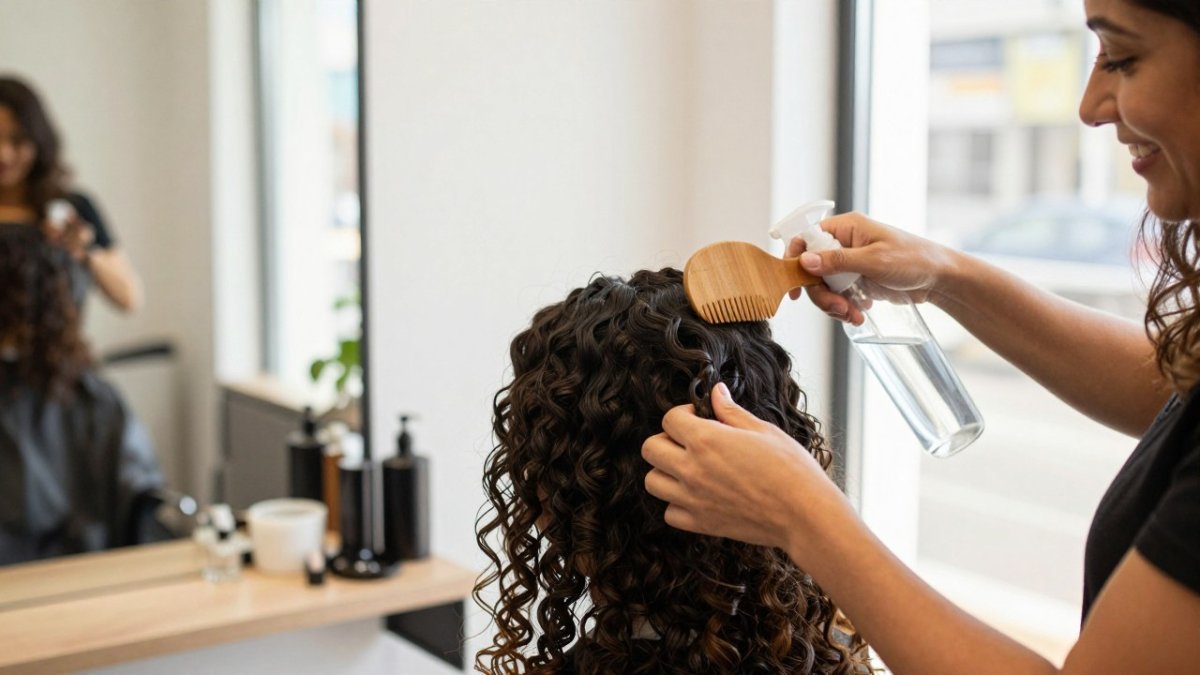
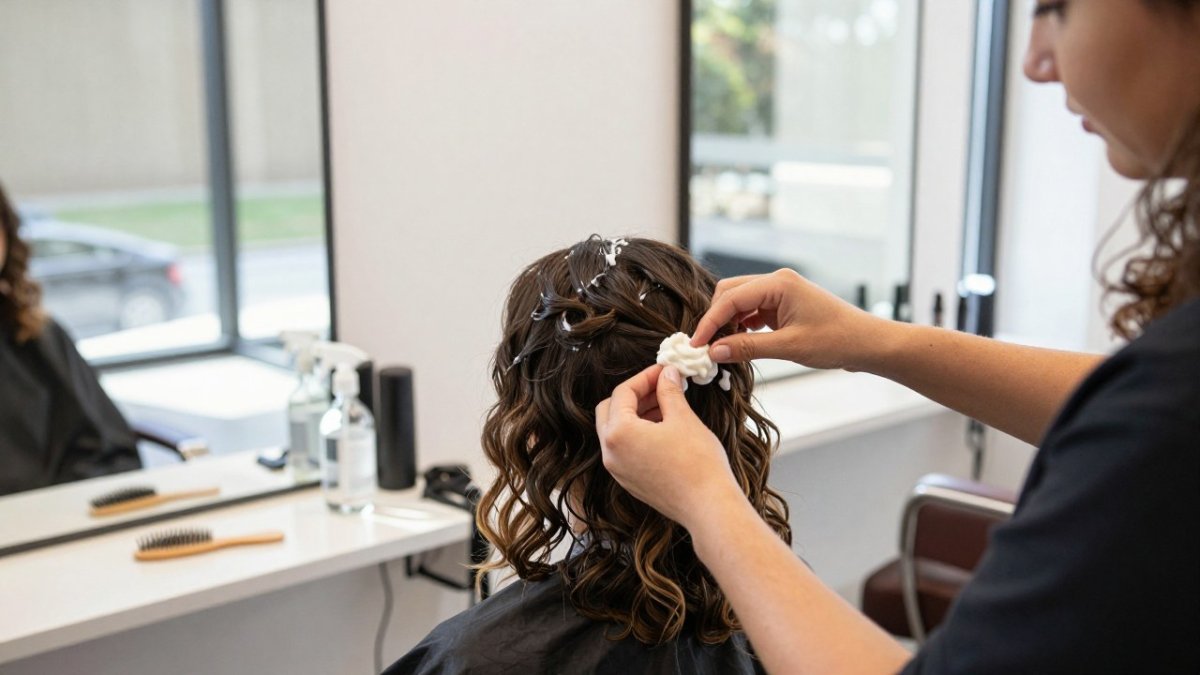
Skin and scalp changes are often the first visible signs you need professional age management, and the easiest to assess in person. Our team offers facial skin care treatments built around your skin type and concerns, plus Head Spa treatments combining scalp wellness with restorative care. First visit? Read how to prepare for your first facial appointment first.
Aging is not a problem to solve alone, and the signals above are easier to read with trained eyes. Libelle Beech Salon offers a team-based approach, salaried staff rather than commission, and ongoing education, so your consultation stays focused on your skin and scalp rather than a sales pitch. Get started with Libelle Beech Salon and book a skin and scalp consultation with a team that treats aging as care, not correction.
Frequently Asked Questions
What are common signs you need professional age management?
Persistent fatigue that sleep does not fix, slower recovery from workouts or illness, brain fog, and skin changes like loss of elasticity or hyper-pigmentation are common signals. Hormone levels can change with age, so these shifts are worth discussing with a qualified provider rather than dismissing.
How can you tell if you are aging faster than normal?
Compare your changes against the normal signs of aging: gradual decline in muscle mass, bone density, and skin elasticity over years. Premature aging shows the same changes earlier or faster, including chronic inflammation, poor recovery time, and mobility issues in your 30s or 40s. A qualified medical provider can help you judge whether changes are worth a closer look.
When should a skin or hair change be checked by a professional?
Book a consultation when you notice sudden hair thinning, persistent scalp irritation, or skin changes that do not respond to your usual routine. If changes persist, a qualified professional can help you decide whether a medical check is worth pursuing.

Comments