
How to Choose the Best Hair Extensions for Thin Hair

Last Updated: November 2, 2026
Quick Summary
Lightweight tape-ins, hand-tied wefts, and clip-ins are commonly considered the best hair extensions for thin hair because they can be chosen for low weight and even tension. Clip-ins are the least damaging option since they come out nightly and put no tension on the root area overnight. Permanent bonded or sewn methods should stay in professional hands.
Thin hair has fewer strands per square inch, so every attachment point carries more load.
Weight distribution across many small attachment points beats one heavy row.
Tape-ins last 6-8 weeks per install and sit very discreetly against the scalp.
Constant tension at the root is a leading cause of traction alopecia, per the American Academy of Dermatology.
With active shedding, wait for a dermatologist's input before getting any extensions.
Table of Contents
Choosing the Best Hair Extensions for Thin Hair
Lightweight tape-ins, hand-tied wefts, and clip-ins are commonly considered for thin hair because they can be chosen for low weight and even tension. Thin hair has fewer strands per square inch, so every attachment point carries more load.
Three factors decide the outcome:
Weight distribution across many small attachment points beats one heavy row
Tension at the root area, since fragile follicles pull loose under load
Texture match, because fine hair shows every seam and blunt cut
Below, we break down each method and who it suits.

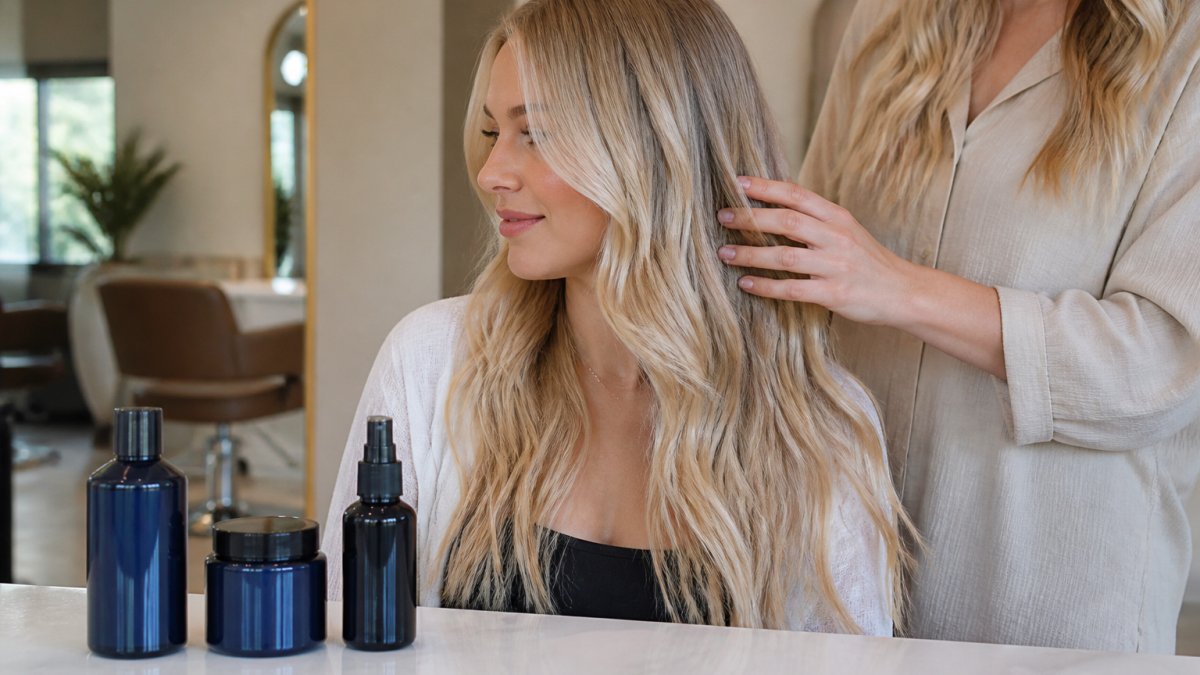
A close match in color and texture helps fine hair blend naturally with extensions, while the
can clarify which options suit its delicate density.
Least Damaging Hair Extensions for Fine Hair
Clip-ins are the least damaging option for fine hair because they come out nightly and put no tension on the root area overnight. Tape-ins and hand-tied wefts follow, provided a professional installs them with even, low-tension rows. Bonded methods carry the highest risk on fragile strands.
Method | Weight on Scalp | Attachment Visibility | Lifespan | Upkeep |
Clip-in | Low, removable | Moderate at part line | 1-2 years with care | Daily removal, at-home washing |
Tape-in | Low to moderate | Very discreet, flat against scalp | 6-8 weeks per install | Salon re-taping, gentle brushing |
Hand-tied weft | Moderate, spread wide | Low, sits flat | 8-12 weeks per install | Salon tightening, careful drying |
I-tip or keratin bond | Concentrated per strand | Low | 3-4 months | Salon removal, no oil at bonds |
The American Academy of Dermatology guidance on hair damage is clear that constant tension at the root is a leading cause of traction alopecia, a reversible-to-permanent hair loss from sustained pulling. That single fact should shape every choice you make.
Hair Extensions for Thin Hair on Top
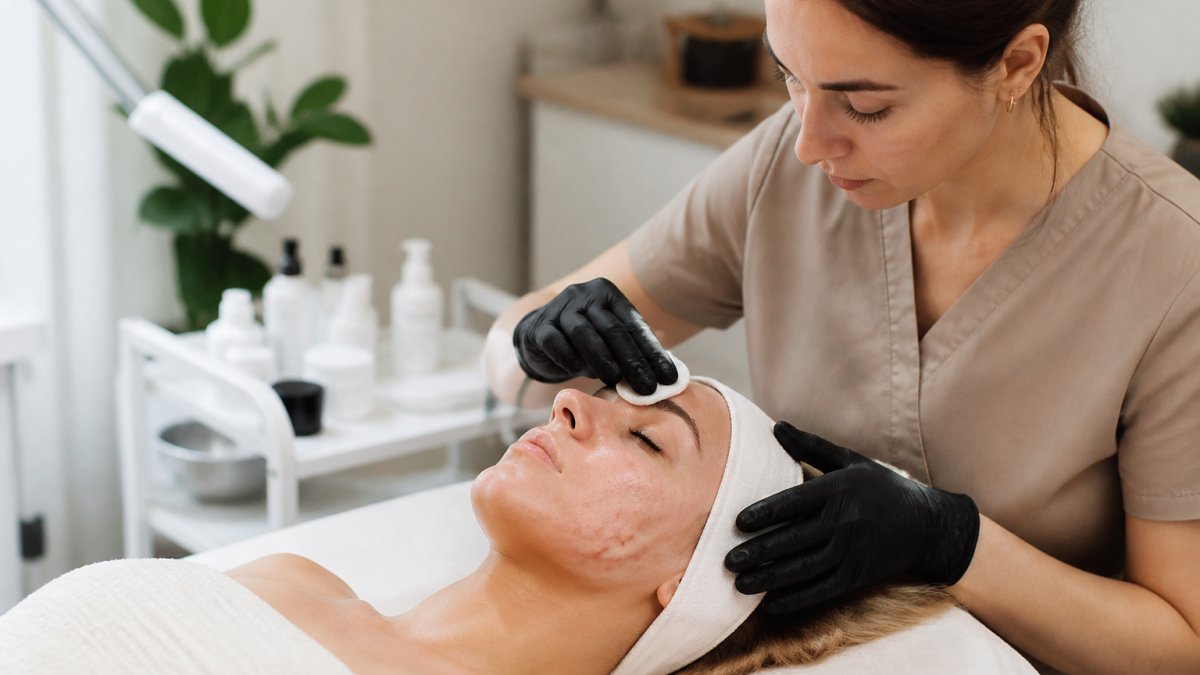
Scalp health matters here. Thinning at the crown often pairs with a sensitive scalp, and EXTERNAL_LINK: head spa treatments support circulation and a clean follicle environment before any extension goes in. We would rather treat the scalp first and extend second.
A decision guide we use:
Sparse crown, sensitive scalp: clip-in topper, worn short-term
Diffuse thinning, healthy scalp: hand-tied weft with wide, flat rows
Active shedding: no extensions until a dermatologist weighs in
Best Hair Extensions for Thin Hair at Home
Clip-in extensions are the best at-home option for thin hair because they need no salon install, no adhesive, and no tension overnight.
Permanent hair extensions for thin hair, meaning bonded or sewn methods, should stay in professional hands.
If you want the look without the daily clip routine, review the full service menu and book a consultation. Because our stylists are salaried rather than commission-based, our team approach focuses on guest experience over individual sales.
For readers who want a professional install, we offer luxury hair extensions using Bellami hair across nine methods, customized to your hair type and desired look.
Frequently Asked Questions
What type of extensions are best for thin, fine hair?
Tape-in and hand-tied weft extensions usually work best for fine hair because they sit flat against the scalp and spread weight across a wider area. Clip-ins are a good low-commitment option for occasional wear. I-tip and keratin bond extensions concentrate weight at small attachment points, which puts more tension on fragile roots. A stylist can match the method to your hair density and scalp sensitivity.
Can hair be too thin for extensions?
Yes. If hair density is very low at the root area, or if there is active thinning, breakage, or scalp irritation, extensions can add tension and speed up hair loss. Anyone with signs of traction alopecia or a sensitive scalp should have a professional assess the scalp before booking. In those cases, a stylist may recommend a halo piece or a topper instead of a full set.
How do you make extensions blend with thin hair?
Blending comes down to three things: a close color and texture match, a lightweight design, and a cut that layers the natural hair over the attachment points. Remy human hair that matches your density looks more natural than thick, heavy wefts. Ask your stylist to trim and blend the ends after installation, and keep the length close to your natural hair so the extensions do not look obvious.
Thin hair does not rule out extensions; it rules out careless ones. If you are tired of guessing which method will hold without pulling, Libelle Beech Salon can help. Our team-based model means multiple stylists may collaborate on your look, our staff are salaried rather than commission-driven, and ongoing education keeps our technique current. Get started with Libelle Beech Salon and find an extension method built around the hair you actually have.
Comments